

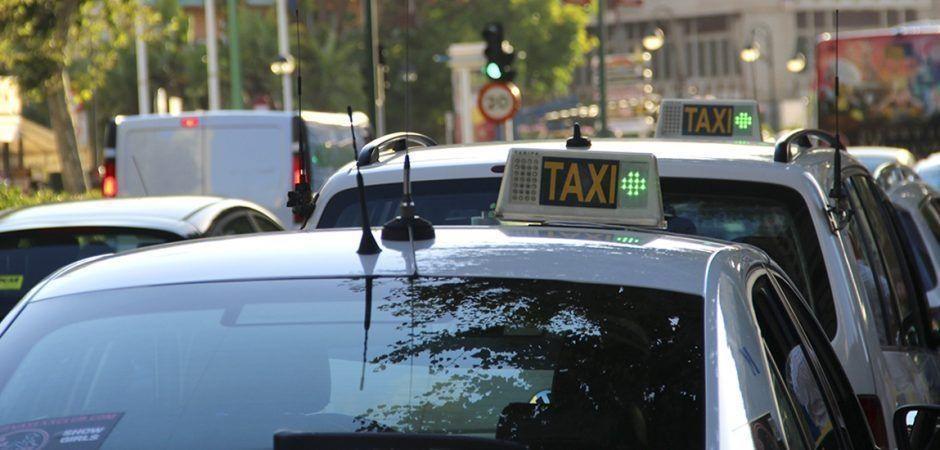
Taxis in Benidorm - Radio Taxi Benidorm
Taxis in Benidorm - It goes without saying that you should only use legally licensed taxis, not only are these subject to regulation regarding pricing and other aspects, you are also protected both regarding your consumer rights and in the unfortunate case of an accident. The local taxi company here is Radio Taxi Telephone number : 965 86 26 26.
You can also book online with Coin Taxi (they also use Radio Taxi in Benidorm and are a sponsored project from the Spanish Radio Taxi Association). You can download the app and order your taxi on the app or online on their website.
There are various taxi ranks all over Benidorm, far too many to mention, you can also flag a taxi down if it is showing a green light.
All taxis must have current tariffs and supplements clearly visible, often stuck to the rear windows or behind the front seats. Additionally, the taximeter must be in view of the passengers and not hidden away. When you request a receipt, some taxis are able to provide a printed receipt whilst others will have to fill a blank receipt in by hand. Either way you have a legal right to request a receipt, and this is what you will need in case of any claim for overcharging. Remember that on the receipt the license number must be shown. Also, all taxi drivers must carry official claims forms – Before you leave the taxi make sure you note down the taxi license number, date, time of day and the route taken.
Passengers have a right to choose the route they wish to take, but the local taxis will have more knowledge of traffic, ongoing road works and one-way systems.
NEWS - 2nd April - The Valencian government has looked favourably on a request from Benidorm taxi operators for price rises, that are more or less in line with inflation.
The maximum rise across the categories of transport will be 6.67%, with many different lower variations on this increase depending on the services given.
One thing to be aware of is a proposed "minimum fare"..... regardless of distance travelled. This will be 5€ during daytime shifts, and 6€ during nigh times.
The proposed rises have to be approved by the town hall, but that seems just a formality, given that Valencia has already given it the "thumbs up".
Transport for people with disabilities - Radio Taxi have taxis for people with reduced mobility with wheelchair and scooters of all kinds, request an adapted taxi when booking.
Taxis for 7/9 people - If you need to make trips to the airport or Renfe station of Alicante? Contact Radio Taxi for a quote.
Pets - Radio Taxi can transport your pet safely. You just have to call them a few minutes in advance to advise what the animal is and how you take it to be transported. Radio Taxi are Pet Friendly!!!
Taxis in Benidorm, The Cost - General Information
The meter moves according to distance, not speed, however the meter also ticks over during traffic jams, traffic lights and drivers are allowed to charge for waiting time – if you book a taxi to pick you up at home make sure you don’t keep the driver waiting! Many regions include a basic price just for taking a taxi and some also fix a minimum fare regardless of how far you travel. Night tariffs will be more expensive.
If you want to make a longer journey, for example between two towns, then the price isn’t covered by the meter but is fixed by the regional authorities and covers the whole cost of the trip for the taxi driver (in other words, outbound and return).
Going to or coming from the airport (or train station or similar destination) is sometimes subject to a supplement, depending on the city. This can be confusing as it can result in different costs depending on where the trip originates, once again these supplements must be indicated in the tariffs shown inside the taxi.
A GUIDE price to some local destinations - Obviously these prices will vary depending upon your exact location and are only a guide, the prices quoted below are from the centre of the new town (opposite Zodiac Cabaret Bar), Sundays and Fiesta days will be the higher price.
Mundomar/Aqualandia - 7.00€ - 10.00€
Old Town - 6.00€ - 8.00€
Rincon del Loix & The Cross - 5.00€ - 7.00€
Hotel Gran Bali, La Cala - 11.00€ - 14.00€
Terra Mitica/Natura - 11.00€ - 14.00€
Altea - 18.00€ - 23.00€
Albir Playa - 12.00€ - 15.00€
Calpe - 35.00€ - 40.00€
Estacion Autobus -6.00€ - 8.00€
VillaJoyosa Hosptial - 18.00€ - 23.00€
Alicante Airport - 75.00€ - 90.00€
Renfe Train Station 58.00€ - 68.00
The final amount to be paid is what the taximeter marks and includes tax.
Tip:
Don’t forget that wearing of seat belts is mandatory for all taxi passengers, if you get stopped and you’re not wearing your seat belt you could be fined.
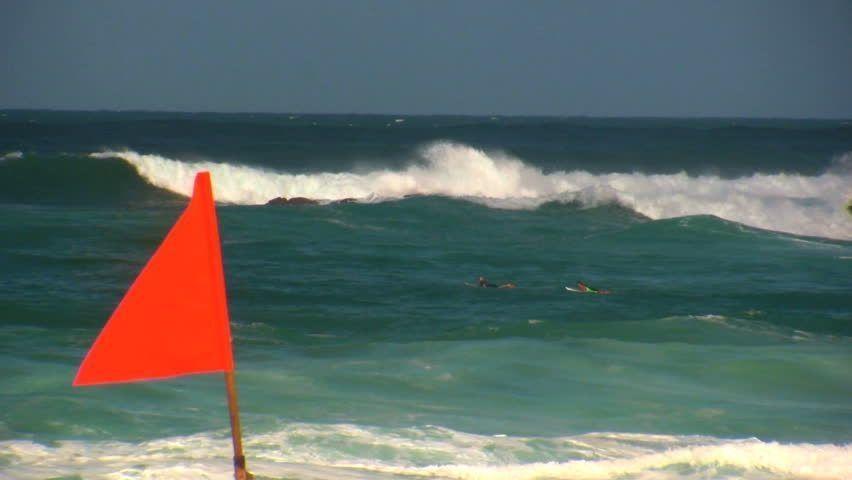
Beach Safety and Spanish Warning Flags
Beach Safety and Spanish Warning Flags PLEASE HEED THESE WARNING FLAGS WHILST ON THE BEACH - The average amount of drowning related deaths per year in the Alicante region is 47. DO NOT become a statistic.
Flags are used on Spanish beaches as a way to state sea weather conditions. Most Spanish beaches of a relevant size/attendance display flags which can be either green, indicating safe bathing sea condition, yellow, indicating bathing with caution, or red, indicating bathing is prohibited or very dangerous. The flag is usually displayed alone on a pole. The flag is changed daily and often even more frequently, as weather conditions change. This is normally managed by Red Cross or Civil Protection volunteers.
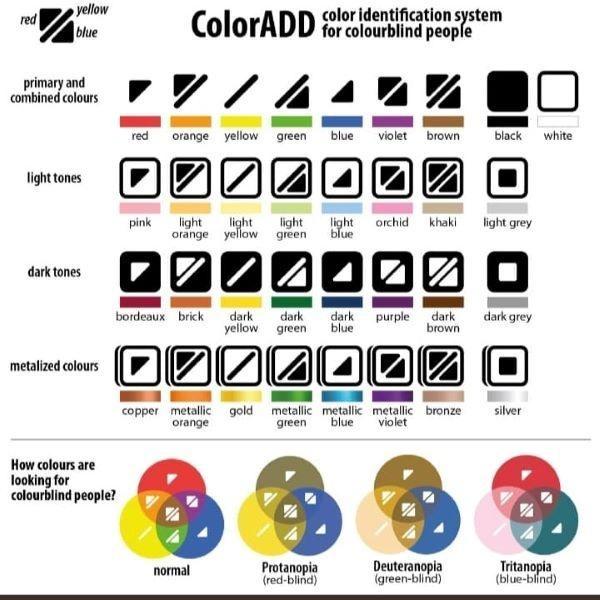
November 2022 New Safety Flags for Benidorm's Beaches - The ColorADD code is a graphic colour identification system” so that they can be distinguished by people who are colour blind. The diagonal bar with a triangle pointing to the right, represent green; the centre diagonal bar, yellow; and a triangle to the left, red.
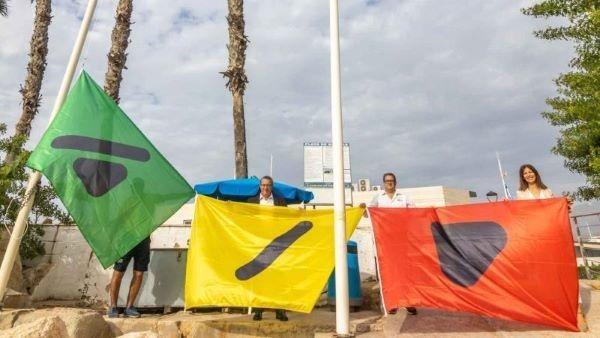
Flags provided by DeBandera.es, an online store that offers a wide variety of high-quality flags. Visit their website at https://debandera.es for more information."
Beach Safety - Standard safety flags.
Green - Safe to bathe

Yellow = Bathe with caution especially with children

Red = NO BATHING _ DANGEROUS CURRENTS OR WEATHER CONDITIONS
Be aware that there is a fine of up to 1,000€ for swimming when the red flag is flying.

YOU MAY ALSO SEE THESE OTHER FLAGS FLOWN AT VARIOUS TIMES
Orange - NO lifeguard on duty, swim with caution

Spanish Beach Safety
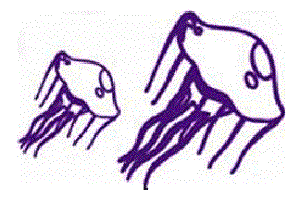
Jellyfish warning flags, these may also be just plain purple and denote dangerous marine life. Find information about Jellyfish HERE

Spanish Beach Safety
BEACH SAFETY TIPS
1. Watch for warning flags (and know what they mean).

Remember how electric devices and the bathtub don’t mix? Neither do lightning and large bodies of water. Check the weather report before heading to the beach. Avoid the beach if there’s lightning in the forecast and wait at least 30 minutes after the last thunder boom before heading back out to the sand. The beach will always be there tomorrow!
3. Learn how to swim
Giving children aged one to four formal swimming lessons can reduce the risk of drowning by as much as 88% If you can’t do the doggie paddle (at the very least), don’t go near the water.
Ocean swimming is different from swimming in a calm pool or lake — be prepared to deal with strong surf before running in. If you’re at the beach with a child or adult who can’t swim, make sure everyone has a well-fitting life jacket handy. If you’re going boating, every passenger should wear a properly-sized life jacket at all times.
Also keep in mind that the ocean floor is not flat and beaches can change drastically from year to year. When heading into the water, be aware that the ocean floor can drop off unexpectedly, so don’t move out quickly without being prepared to swim in water over your head.
Last, but certainly not least, obey the buddy system while swimming. Keep a friend nearby in case either of you ends up needing help (see section on "rip currents" below).

Spanish Beach Safety
4. Pick a spot near a Lifeguard
Lifeguards are there for a reason — they know and can see things about the beach that most beach goers don’t. Take note of where they’re stationed on the beach and stay near them when swimming — most drownings occur at unguarded sites. Also be aware that currents will naturally push you down the shore, so make note of where you started (say, by remembering a stable landmark like the lifeguard’s flag or your brightly-colored umbrella on shore) and which way the current is moving. Return to that spot in the water regularly so you’re never far from a lifeguard.
5. Watch for rip-currents
Waves don’t always break evenly along the shore. And when they don’t — i.e., when they break more strongly in some areas than others — it can cause a circulation in the water that produces a rip current (basically a strong channel of water extending from the shore out into the water). Rip currents also tend to form near a shallow point in the water, such as a sandbar, or close to jetties and piers and can happen at any beach with breaking waves (including the Great Lakes!). They’re the number one hazard for beachgoers and can pull even the strongest swimmers out to sea.
If you see a current of choppy, off-coloured water extending from the shore, steer clear. If you do get pulled out, stay calm, save your energy (let the current carry you for a while), and keep breathing. Don’t try to swim against the current! Gain your composure and start swimming horizontal to the shore until you’re out of the current. Then turn and swim diagonally towards the shore. If you can’t make it to the shore, wave your arms and make noise so someone can see or hear you and get help.

Spanish Beach Safety
6. Know how to identify a swimmer in difficulty
It’s a fact: Drowning is the number one cause of unintentional deaths worldwide, and a person can drown in as little as two inches of water. While we tend to think that swimmers in trouble will be waving their hands and making lo ts of noise, this may not always be the case. In fact, drowning is normally pretty quiet. Watch out for people whose heads are low in the water(mouth submerged) or tilted back with mouth open, eyes closed or unable to focus, legs vertical in the water, or who are trying to swim but not making progress.
7. Be aware of the Waves
They’re much more powerful than you think. A recent study found that injuries resulting from strong waves can range from simple sprains, broken collarbones, and dislocated shoulders to more serious injuries including blunt organ trauma and spinal injuries (which can lead to paralysis). Shorebreaks— or waves that break directly on shore (rather than breaking a few yards out and rolling in more slowly) — in particular have the potential to cause serious neck and spinal injuries.
When in the water or near the water line (where the water hits the shore), never put your back to the waves. Also be sure to check in with the lifeguard before hitting the surf to ask about the wave conditions at your beach.
8. Stay Sober
Alcohol doesn’t only affect judgment; it can also dehydrate you, increasing the likelihood of heat-related sicknesses. Among drowning-related injures of people aged 15 years or older, almost 22% were alcohol-related. We know it’s tempting to enjoy a few Pina Coladas while baking on the beach, but if you’re going to imbibe steer clear of the surf and hydrate properly..
Just one blistering sunburn in childhood or adolescence more than doubles a person’s chance for developing melanoma later in life.Racking up more than five sunburns at any age also doubles the rist for melanoma. Keep the red at bay by slathering on a broad-spectrum sunscreen of SPF 15 or higher, and make sure you have a source of shade — think hats, umbrellas, tents — readily available (especially during the sun’s peak hours of 12am to 4pm). Remember —Eyes can get sunburned too, so don’t forget some shades.
10. Watch out for Heat/sun stroke
A few hours of baking under the sun can cause some seriously uncool symptoms and may even lead to severe sickness. Heat exhaustion, heat stroke, and sun poisoning can all result from dehydration and extended exposure to high temperatures, so make sure to drink plenty of water (and avoid dehydrating liquids like coffee or alcohol).
Symptoms of heat exhaustion, heat stroke, include confusion and dizziness, fatigue, headache, muscle cramps or weakness, nausea, excessive sweating or lack of sweating, pale skin, swelling (particularly of the hands or face), rapid heartbeat, and confusion. Sun poisoning can also be indicated by skin redness and blistering, pain and tingling, or fever and chills.
If you (or someone you’re with) display any of these symptoms, get out of the sun and heat (umbrellas are your friend), remove any unnecessary clothing, drink plenty of water, and take a cool bath or shower. If symptoms are on the severe side — swelling, confusion, painful and blistering sunburns — it’s best to seek medical attention.
11. Ocean Life
Barnacles and the shells of mussels and clams can be very sharp, so watch carefully when walking on rocks and move slowly while walking out into the water. Little crabs also have an affinity for pinching, so proceed carefully over small rocks with nooks and crannies.
Jellyfish are another creature to look out for — many varieties have tentacles that can discharge venom-filled stingers into your skin, causing a sting. These can vary greatly in severity: They usually result only in a painful, red, irritated mark, though some types can cause severe and life-threatening injuries.
Velella Velella Jellyfish
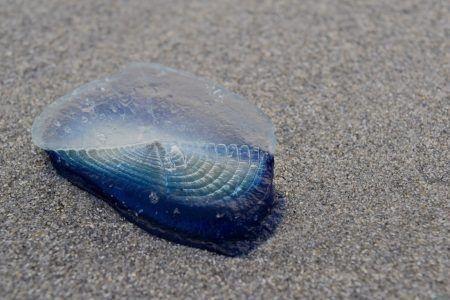
Don´t panic if you see some of these blue jellyfish (velella velella) washed up on Benidorm´s beaches especially during the early summer months.These are NOT dangerous and will produce no reaction if they come into contact with the skin.
Pelagia noctiluca
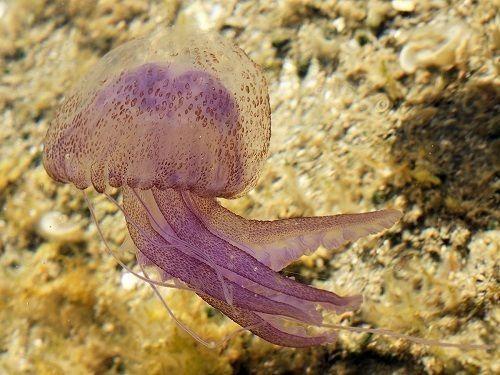
Known in English as the mauve stinger, commonly found in the Mediterranean sea. These are fairly small jellyfish with adults having a bell diameter of 3–12 cm.
The mauve stingers are not lethal but the sting is very painful and can leave scars.
Treating Jellyfish Stings
Find your nearest lifeguard for advice.
Most jellyfish stings can be treated at home: If any tentacles remain stuck to the skin after exiting the water, remove them using a flat object (like a credit card). Do not rub them off with your hands (you don’t want more stings!) or a towel (which can aggravate the sting even more).
Rinse the sting with seawater (using fresh water may activate singers that have not yet released venom).
Next, deactivate the stingers: Rinsing with vinegar for at least 30 seconds works for some species, while a paste of baking soda and seawater works for sings caused by Portuguese man-of-war and sea nettle jellyfish.
Finally, relieve pain by soaking the sting in hot water for at least 20 minutes. (Note: Despite the folklore, urinating on a jellyfish sting may actually cause the stingers to release more venom, rather than providing relief. Keep your pee to yourself, people.)
Pain can be treated with a heat pack for some pain relief or possibly insect bite creams that lists ‘…ocaine‘ as an ingredient.
If there is continued swelling, or itchiness, apply a light steroid cream e.g. Hydrocortisone eczema cream.
• if muscle spasms persist see a doctor.
12. Wear shoes, the sand gets very hot
We know — feeling the sand between your toes is part of the quintessential beach experience. But when it’s upwards of 100 degrees outside, the squishy sand doesn’t feel so great (and can even cause burns. Be sure to bring a pair of shoes with you in case the sand gets unbearably hot.
13. Keep Hydrated
Extended exposure to heat and the relaxing effects of waves can easily lead to disorientation and reduced energy. Be sure to bring plenty of water and snacks down to the sand with you, and use them.
And finally, remember: The conditions, rules, and intricacies of each beach vary from place to place. Ultimately, the lifeguards on duty should be your go-tos for any questions. They're there to help!
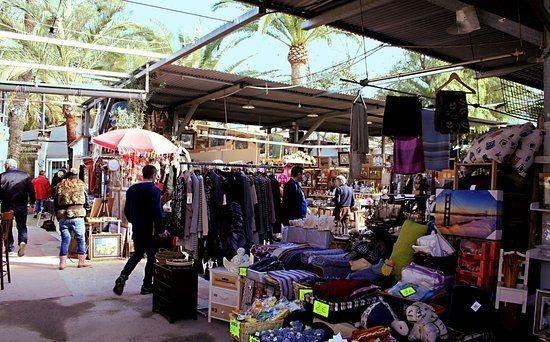
EL CISNE RASTRO BENIDORM
One of the best Rastros in the Benidorm area is the El Cisne Rastro, (which in Spanish means the Swan) also known as El Cisne Antiguedades. Only 15 minutes outside Benidorm and near the towns of Alfaz del Pi, Albir and Altea, the El Cisne market is a wonderful place to spend a few hours, not just for the cheap shopping but for the food and entertainment too. Open, Thursday, Saturday and Sunday 9:00 to 14:00
What is El Cisne Market? – The El Cisne Rastro has grown up around an old Spanish farmhouse, on the road from Benidorm to Altea, is now a popular market visited by both visitors to the area and the Spanish themselves. The main area of the market is actually located inside what used to be the old stone farmhouse, each of the many rooms have been converted into separate market stalls that sell antiques and collectibles – everything from old European military paraphernalia, to paintings, pottery, jewellery, furniture and collectibles.
Outside, on the farmhouse land, is an outdoor market (rastro), selling artwork, arts and crafts, second-hand clothing, books, jewellery, and more.
What to Buy at El Cisne – Start out browsing the indoor market antique stalls, as there’s a huge choice of antiques and collectibles at prices much cheaper than you’ll find in many other places in Spain. Look for antique furniture, paintings, old books and pottery.
Particularly interesting are the stalls selling old military paraphernalia, with one selling medals from the First and Second World Wars, old swords, military clothing items, and even a large collection of antique lead soldiers.
After the antique stalls, move outside into the sunshine and browse the many outdoor market stalls. Here, you’ll find everything from sunglasses to DVDs and CDs, old LPs, handmade jewellery, a large selection of English, Spanish and Norwegian books, hardware items, reading glasses, clothing, shawls, shoes, and lots of second-hand items, there is something for everyone here you could spend an entire morning riffling through all the stalls.
Food at El Cisne – Wandering around El Cisne market, you’ll also come across several stalls selling huge selections of cheeses, sausages, meats, snacks and sandwiches, and of course traditional Paella is available.
The best place to sit and enjoy food or a drink is at one of the restaurants in the center of the market. There are two large cafes here with both indoor and outdoor seating in a courtyard. In the winter they’re enclosed with fires or space heaters going, so it’s not cold. In the summer they’re open-air and lovely and warm. Both places make excellent cafe con leche, serve spirits, large selections of Spanish wine, and have a great variety of bottled beer and beer on tap – both the local brew and imported brands and of course traditional paella is served.
Entertainment at El Cisne – One of the big reasons why the market is so popular is the free music that’s on offer. The musicians come from all over the local area and you’ll hear all types of music. The musicians and singers play on a raised patio next to the farmhouse and overlooking both large cafes. Grab a beer, a coffee or a full meal, relax, enjoy the sun, and listen to the amazing music. The atmosphere is wonderful and the music fun. Also, from around 3pm on Thursdays and sometimes Saturdays watch a typical Spanish Flamenco show.
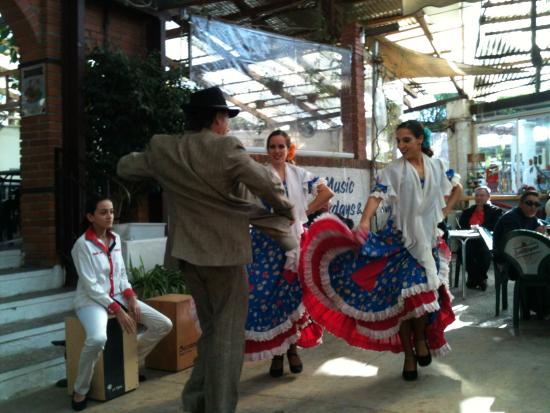
If you’re going to be in the Benidorm, Albir or Altea area, don’t miss the El Cisne Market.
Opening around 10am every Thursday, Saturday and Sunday the market itself goes on until about 2pm, but the entertainment is on until around 5pm.
Being a busy place with so many people pushing and shoving it´s a pickpocket's ideal scenario – so be on your guard as you would be at any market.
Getting to El Cisne
The rastro is situated on the road out of Benidorm with the junction of N332, there is plenty of FREE parking available.
The No. 10 bus also stops right outside the market.
Find lots more information about things to do in Benidorm here
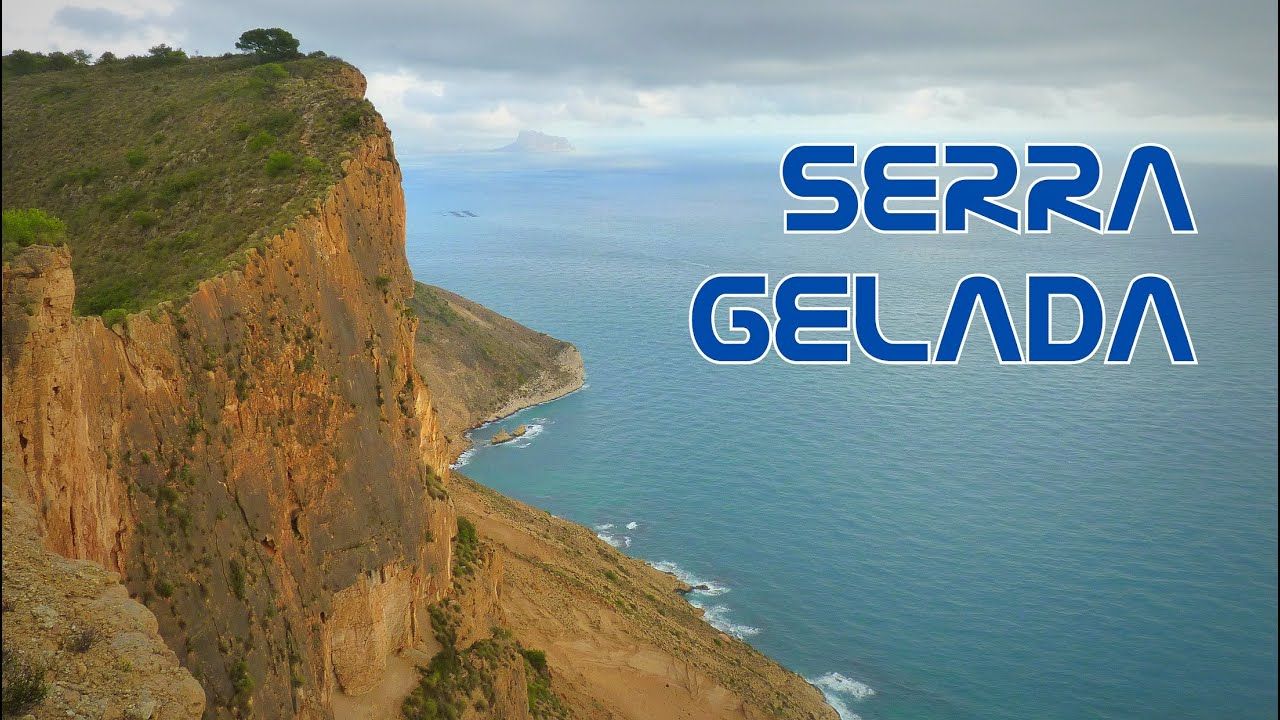
Sierra Helada Benidorm/Gelada Natural Park
Sierra Helada Benidorm is a natural park and includes the areas of Benidorm, L'Alfàs del Pì and Altea. Sierra Helada means Ice mountain in Spanish. The name is said to come from the way the cliffs look from the sea on a moonlit night. Fisherman on the Mediterranean Sea found that the rocks looked like an iceberg and also due to the cliffs orientation which creates a colder macro-climate.
It is a protected site with a total surface area of 5,564 Hectares, 4,920 hectares of which are a marine reserve and in these waters are some of the most interesting underwater areas of the Mediterranean peninsular. The coastline is one of the most beautiful in the Valencian region. The park also includes three islands: Illot de la Mitjana, the Illot de Benidorm and the Illots of Olla and la Galera.
The summit of the Sierra Helada is 439 meters above the Mediterranean Sea.
The terrestrial part of the park is mostly made up of limestone which is millions of years old and protected fossil dunes, you will find a large variety of protected native plants. This area also incorporates Benidorm´s famous Cross (La Cruz), Watchtowers and Albir Lighthouse.
In ancient times, the main use of the Sierra Helada was for mining for the extraction of ochre. There is evidence of its use since the time of the Phoenicians. This resource was exploited until the middle of the last century. The main remains are found on the way to the lighthouse of L’Albir and in the Cala del tío Ximo area.
There are 3 walks available - Albir lighthouse, Punta del Cavallo. For the more adventurous, the crossing of the Serra Gelada is perfect for hiking, with a distance of 8 km and a duration of about 4 hours.
The Blue Route (EASY)
"Punta del Cavallo" or "Punta de la Escaleta"
Length of route: 8,7 km (round trip), plus the 700 m of Ti Ximo Cove.
Duration: From 2h to 2h 30 min Maximum Elevation: 75 m
Accessibility: Road paved.
Hiking. Cycling. Wheelchairs.
Difficulty: Easy
Start the tour at the end of the Levante beach head up hill on the road leading to the Benikaktus hotel on the street Alcalde Manuel Catalan Chana.
Via the paved road, we will proceed straight up, passing to the left the route to the cross (route 2, yellow) and proceed until we find a detour which descends to the viewing point of the Punta Llisera and Tio Ximo Cove.
Along the cove you can see the old ocher mines, where, not long ago, Tio Ximo worked with his donkeys.
Watchtower: back on the road and to the right hand side access a road with restricted to motor vehicles, where we will go to the Punta del Cavall, a seventeenth century watchtower.
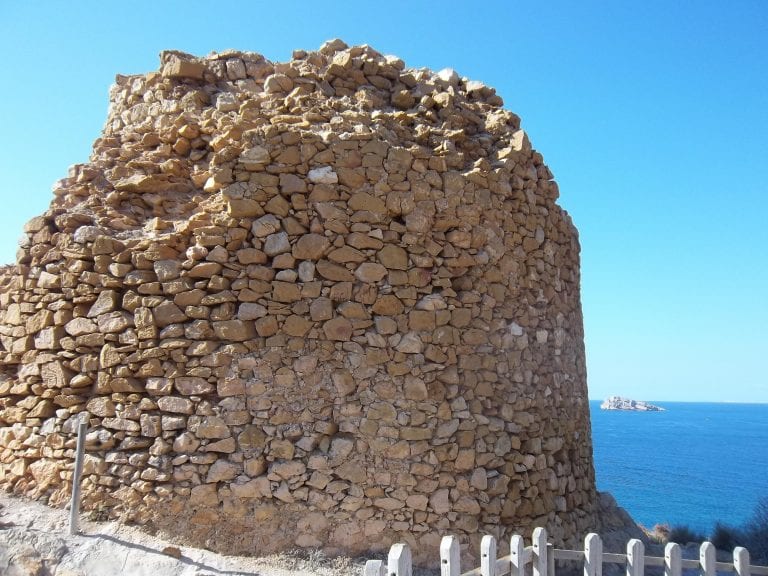
From here there are some of the best views of the cliffs of the Serra Gelada and very close to them, Illa Mitjana. Both here and the Punta Bombarda in Albir, are excellent vantage points, hence why in medieval times, the watchtowers were built to alert the public of the presence of pirates.
Red Route
Albir lighthouse
Length of route: 5 KM (round trip)
Duration: 1 h 30 m to 2 hours
Maximum Altitude: 112 meters
Accessibility: Paved route. Trekking Cycling. Wheelchairs.
Difficulty: Easy
Starting from the Information Point Albir (Alfas del Pi), walk up the street "Cami de la Cantera," which as its name suggests ends in an old quarry from which stone was quarried, turn to the left at the streets "Syrio" and "Neptuno", until we reached a parking area where one of the entrances to the Natural Park can be located, the route to the Albir lighthouse.
A few metres ahead there is a small recreation area. From here also the yellow route starts that climbs to the crest of the Serra Gelada. "Caleta del Metge" and viewpoint We head up the paved route towards a tunnel in the mountain, but just before on the left hand side is a dirt track which descends to a small cove known as " Metge Cove, "and soon after there is a circular balcony with a magnificent view of the bay of Altea in the background the Penyal d'Ifach (Calpe), surrounded by spectacular mountains. Arriving at the entrance of the tunnel, we can find another smaller viewing point.
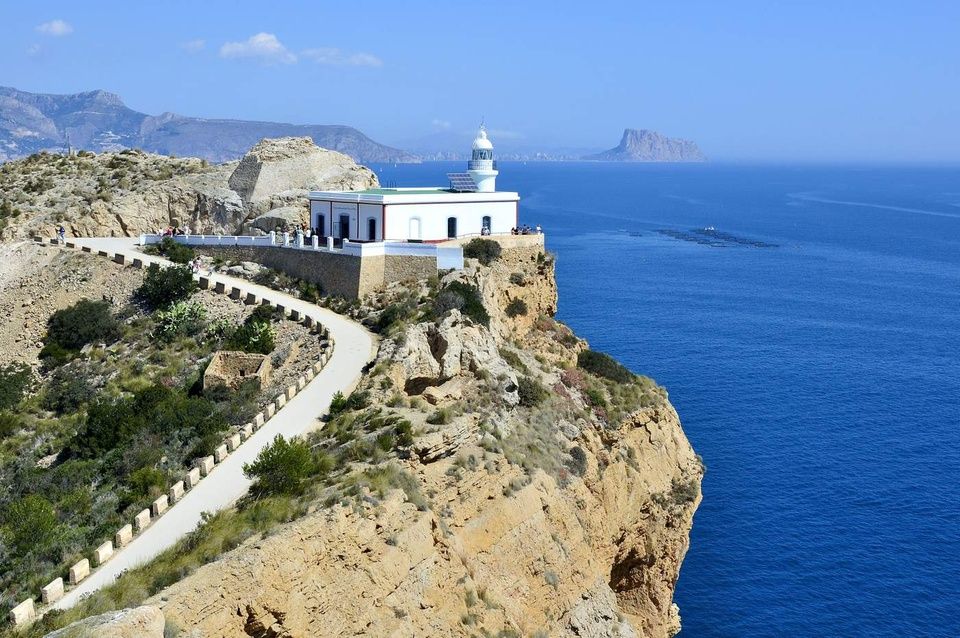
Ocher mines cove "La Mina" We continue to the lighthouse and after travelling 300 metres, we come across the path that slopes down gently to the mines of Phoenician origin and subsequent Roman exploitation, from which ocher was extracted to be used as a dye well into the century, when it fell into disuse after the introduction of other new substances for this activity. The "Boca of the Balena" About 500 metres after the tunnel we arrive at a bend in the road where to the right and above you can see in the shade of the mountain a natural hollow known as the "Mouth of The Balena "or" Cova de Bou ". Albir lighthouse at the end of the road we reach the El Faro del Albir where access is not permitted. Just before reaching the light house there is another viewing point to the right.
Off the coast of Albir, there are lots of fish farms which attract dolphins. These Fish farms help repopulate the fish in the Mediterranean sea by allowing the fisherman to only catch fish from the farms.
Sierra Helada Benidorm
Yellow Route
The 7 Peaks of the Sierra Helada
Feeling fit? you can walk from the Benidorm cross to Albir. This is the most challenging walk of the Sierra Gelada natural park as the walk passes along the seven peaks between Benidorm and Albir. You can walk in either direction but remember to arrange transport at the other end as it is one way. The panoramic views are breath-taking, and well worth all the climbing up and down.
From Benidorm the walk starts at the Cross. There is then a marked pathway up and down seven peaks, before arriving in Albir at the Sierra Gelada visitor centre. Many walkers prefer to get a lift to the Cross.
This is only recommended for people with moderately high fitness levels and full mobility. Distance 12.8km one-way trip. Moderately difficult, but worth the challenge! Allow 4.5 hours.
Crossing the Serra Gelada
Length of route: 12,8 km (one way)
Duration: 4h to 4h 30 min
Maximum height: 438 m
Accessibility: suitable only for Hiking
Difficulty: Moderate-high.
Due to being quite a moderately strenuous route it is suggested you take plenty of drinking water with you as there is no where to stop along the way. The route in some areas is steep up and down..
If starting from Albir - Start at the recreational area of the Albir, on (red), with a steady climb in zigzag that starts with a stone step path to reach the access road to telecommunication station , passing next to an old quarry.
"Alt del Governador" At the end of this path we will reach the highest point of the Serra Gelada (438 m), where a telecommunications station is located. Continuing down a paved road will link back to the path (4).
Near the edge of the cliff is a trig point where we can see the magnificent cuts of the cliff, and view specimens of the yellow-legged gull flying several hundred feet below our feet.. "L'Illa Mitjana" The route through the Sierra continues with continuous ups and downs, passing the ruins of an old coast guard house and a small well in the valley.
Halfway we find an area where there is a small area of pines where we can relax for a few moments, offering a beautiful view of the "Illa Mitjana."
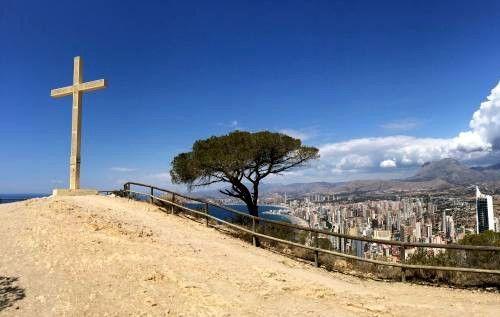
The Cross The last stretch of mountain route passes through a high area where we can contemplate again the view of Benidorm from Sierra Helada and the cliffs. From this milestone we must be careful to keep to the path that passes through low vegetation or on bare rock. A few minutes later you come to a cross located above the Raco de l'Oix, where there is a tarmac track which connects to the blue route.
- There are no drinking fountains in the Nature Park. Please ensure that you bring sufficient water and food.
- During the winter months it may be necessary to bring a woollen hat and sun screen.
- Wear special footwear for hiking.
- Although it is a coastal range, do not underestimate the challenges of the Sierra Gelada Mountain.
- Before embarking on a route calculate the unevenness, slope or gradient and geography or orography of the area.
- If you take a dog with you it must be kept on a leash.
- Please respect the flora and fauna in the area at all times.
- Be extremely careful if it is raining in case of landslides.
Join our Facebook Group

Terra Mitica, Theme and Adventure Park Benidorm
Terra Mitica Benidorm - The park is divided into 5 themed zones: Egypt, Greece, Rome, Iberia, and the Islands (of the Mediterranean). This is a Spanish version of Disneyland, most people come to enjoy the roller coasters and the altitude rides where you will get wet, so bring swimwear. There are also mini versions for the smaller younger visitors, who are measured before each ride for height.
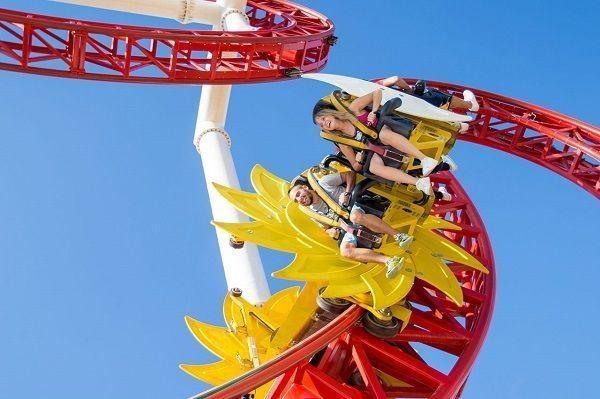
There are rides and shows to suit all members of the family at Terra Mitica.
You can rent a locker for €1 they are in short supply and very popular so get there early if you require one of thes. The paddle boats seat four people can be rented out for €5 for half an hour.
Iberia Park
Iberia park is now a separate area and offers some spectacular rides, shows and an aquatic zone, this is made up of the western half of Terra Mitica. This area of the part consists of 12 rides, eight restaurants and two arenas where various shows are performed throughout the day.

To go on the rides at Iberia Park you need to purchase a ticket which includes both Terra Mitica and Iberia park or purchase tokens as you go along. At certain times of the year tickets to Iberia Park cost an extra €10 per person which works out cheaper to go on the rides and especially if going to see the shows.
Getting to Terra Mitica
By Car - Take the CV70 road out of Benidorm following signs for La Nucia. It’s located just a few kilometres off the main A7 motorway on the mountainside overlooking Benidorm. Look closely and you’ll see the words “Terra Mitica” on the hillside.
By Bus - Llorente buses no´s 1 & 3 - For bus Times
Taxi - 11.00€ - 14.00€
Opening times 2024
17th May to 30th June - OPEN FROM 10:30 - 19:00
1st July to 8th September - OPEN FROM 10:30 - 21:00
September 14th, 15th 21st, 22nd, 28th and 29th - OPEN FROM 10:30 - 19:00
October 5th, 6th, 12th, 13th, 19th, 20th, 26th and 27th - OPEN FROM 10:30 - 20:00
31st October - OPEN FROM 10:30 - 19:00
Low season: rest of the days. Access to the areas of Egypt, Greece and Rome.
High season: July 1 to September 8.
Access to the areas of Egypt, Greece, Rome, Iberia and The Islands.