
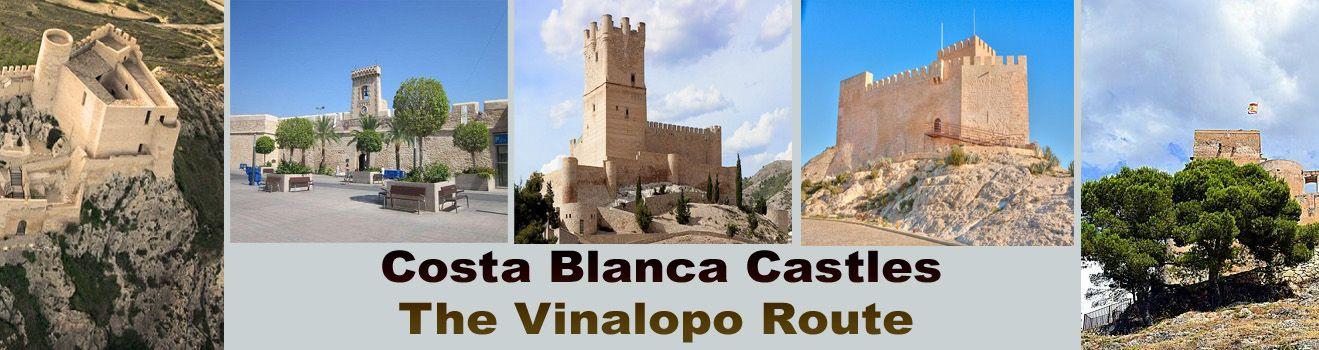
Costa Blanca Castles - The Vinalopo Castle Route
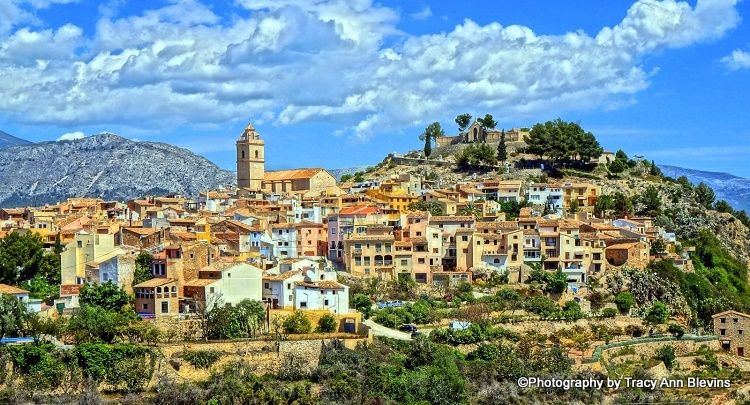
Costa Blanca Castles to Visit - The Vinalopo Castle Route. Castles hold a great fascination for many of us it may well be an interest in history, architecture, the fantastic views or just the romance of battles fought, won and lost. Whatever your interest the Vinalopo castle route is a fantastic trip into the past with some amazing scenery along the way.
The Vinalopo Castle route in the province of Alicante in the district of Vinalopó tells the story of the old battles that took place with buildings whose history date back to the time of El Cid Campeador, the famous medieval knight (11th century), and the battles on the border between the Moors and Christians.
There is a constellation of 230 historic constructions that dot the Costa Blanca including castles, watchtowers, bastions, batteries, defence towers and lookout points, forts and bunkers, walled palaces and even a church in Javia/Xàbia designed to repel non-believers.
Costa Blanca Castles - The Vinalopo Castle Route
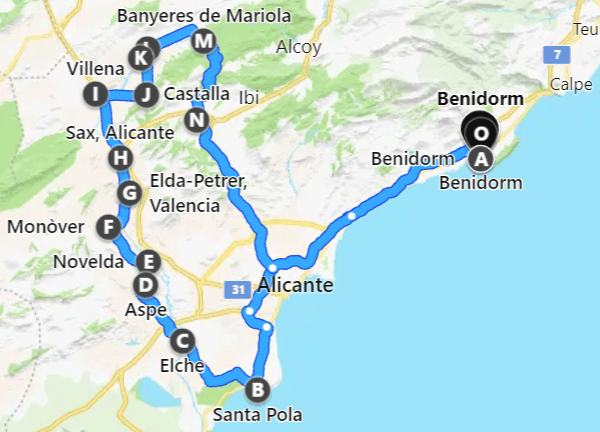
This route includes Santa Pola: Castillo-Fortaleza. Elche: El Alcázar de la Señoría. Aspe: Castillo del Río, Castillo de Aljau. Novelda: Castillo de la Mola. Monóvar: Castillo de Monóvar. Elda: Castillo de Elda. Petrer: Castillo de Petrer. Sax: Castillo de Sax. Villena: Castillo de la Altalaya. Biar: Castillo de Biar. Camp de Mirra: Castillo de Almizra. Beneixama: Torre Alatalaya de Beneixama. Banyeres de Mariola: Castillo de Banyeres de Mariola, Torre de la Font Bona and Castalla: Castillo de Castalla.
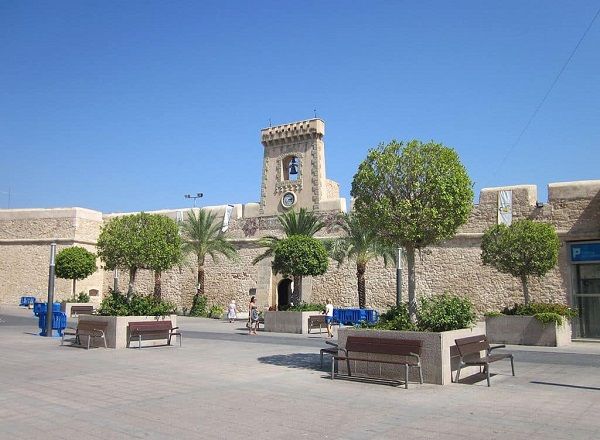
Santa Pola - Castillo-Fortaleza
The castle/fortress can be found n the centre of Santa Pola, on Plaza de la Glorieta. This was built in the 16th century its main purpose was to protect local seamen against pirate attacks. Entrance is via an access gate that leads up to a large patio called Patio de Armas.
Over the years the castle has had various uses including being a hospital, the court, and Gardia Civil headquarters. It is now a chapel, exhibition hall and home of the maritime museum which is a good place to learn more about the local history.
Opening times for the museum - From Tuesday to Saturday: 10 a.m. to 1 p.m. and 4 p.m. to 7 p.m. Sunday 11 a.m. to 1a.m. Monday closed.
Entry Prices - Individual entry: 3 euros. Child (under 3 years): free. Child (between 4 and 16 years), students, young-card and pensioners: 1,50 euros
Also worth visiting are the Torre Escaletes, Torre Tamarit and Torre Atalayola.
Our opinion of Santa Pola Castle. As stated above this is not really a castle in the traditional sense, it is much more a fortress, but is well worth a visit just for the museum. There is a well placed car park nearby. When in this area the Skywalk is also worth visiting.
Costa Blanca Castles
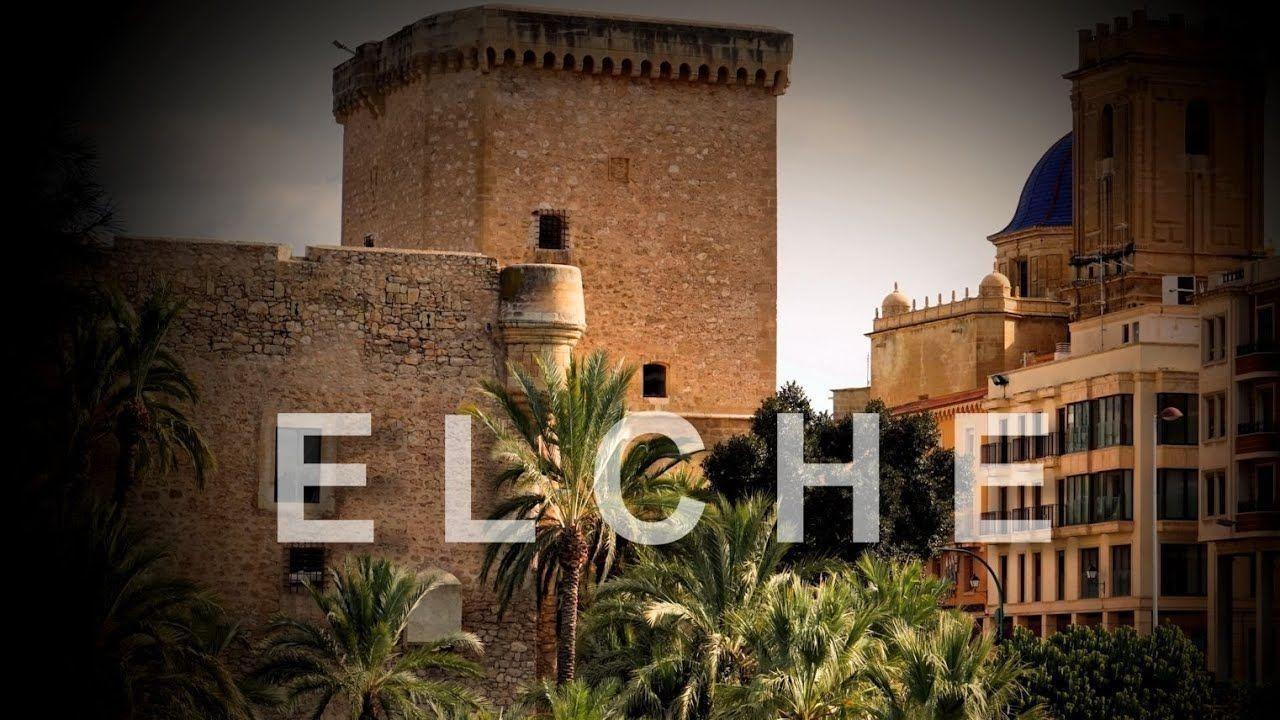
Elche - El Alcázar, The Altamira Palace
Also known as Palacio de Altamira or Alcazar de la Señoria, this is situated next to the Vinalopó riverbed, to the northwest of ancient walled city, it is now fully restored and is part of the Archaeological and History Museum of Elche and houses sections dedicated to the Andalusian and contemporary eras of Elche.
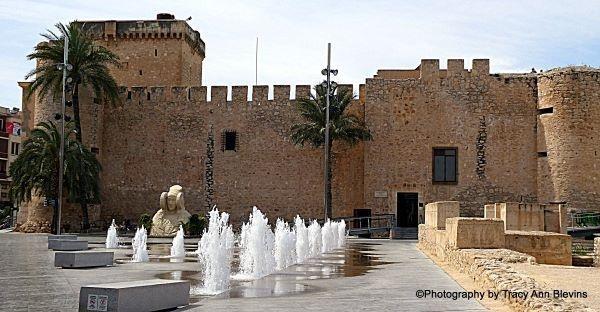
The palace was built at the end of the fifteenth century, but it is thought to be built on an earlier building dating from the 12th or 13th century, which would have been part of the defences of the walled village.
In April 1939, after the end of the Civil War, Franco's troops used the building as a concentration camp for Republican prisoners.
Opening hours: MAHE (Elche Archaeological and History Museum)
Monday to Saturday from 10:00 to 18:00. Sundays and public holidays from 10:00 to 15:00. Guided tours: Saturdays and Sundays: 11:30 and 12:30.
Price: General ticket: €3.
Students and groups (minimum 15 people. Pre-booked): €1.
Carnet Jove, senior citizens and large families (with more than 4 children): €1.50.
Free: Sundays, children under the age of 6, holders of Elche Town Council gold card, teachers and registered group leaders, disabled and reduce mobility.
Other places to visit whilst in Elche: Las Murallas de la ciudad de Elche, Torre de la Calahorra, Torre de Ressemblanc, Torre de Los Vaillo, Torre del Pinet, El Castellar de Elche o Castellar de La Morera.
Our opinion of Elche Castle - As the entry price also includes the museum, which you have to physically go through to get to the castle itself, it was good value for money, BUT we felt that this castle was rather soulless. It has been so heavily renovated, which is fantastic in one way as it makes it accessible to everyone even those with walking difficulties, even the car park seems to be part of the museum, with lifts etc.
Aspe - Castillo del Río/Castillo de Aljau
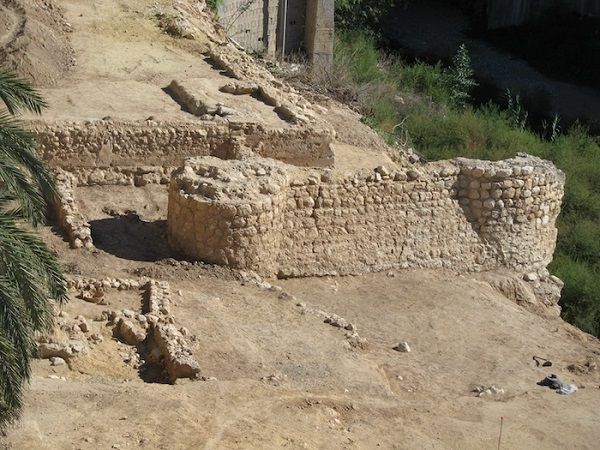
The Castle of Aljau is a medieval fortification from the second half of the fourteenth century and is also known as the Castle of the River or Castle of the Moor and is built over an old settlement dating back to Arab times, this castle is, now in ruins and only the remains of some of its twelve turrets can be seen.
Novelda - Castillo de la Mola
This is a symbol of the city and was declared a Property of Cultural Interest in 1931.
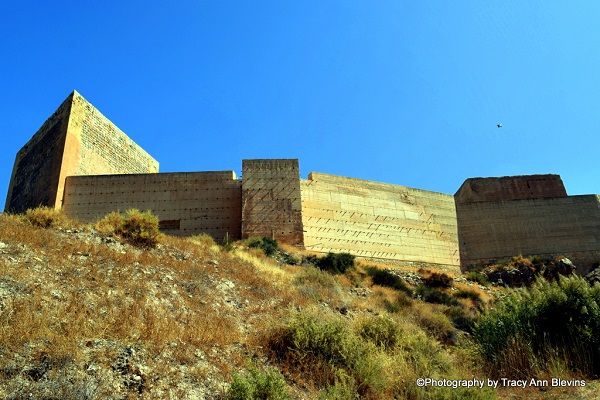
The castle of La Mola stands next to the Sanctuary of Santa María Magdalena and was built at the end of the 12th century and is of Islamic origin, the design. It is a polygonal enclosure with thick walls built with eight quadrangular cubes of which only four now remain. The ruins of the wall are preserved.
Opening hours - Monday closed. Tuesday to Saturday from 10:00 to 14:00 and from 17:00 to 19:00. Sundays from 11:00 to 14:00 and from 17:00 to 19:00.
Our opinion of Castle La Mola, to be honest the Sanctuary next door is the reason most people visit this area, the castle just happens to be next door, but it is well worth a visit, entry is FREE and the views from the top are quite spectacular. There is plenty of parking available but quite a steep climb to both the Sanctuary and castle.
Costa Blanca Castles the Vinalopo Castle Route
Monóvar - Castillo de Monóvar
Monovar castle sits on one of the towns two hills and was built in the late 12th or early 13th century and was in use up until the 17th century. It is currently in ruins although there is a recently restored tower.
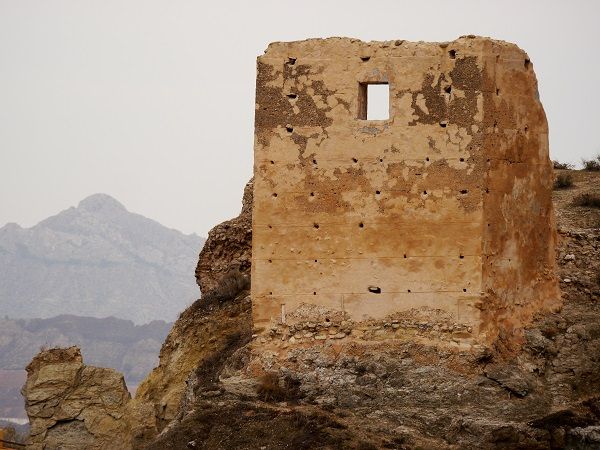
Recent archaeological excavations on the hill where the castle was erected have found bronze Age remains and fragments of almohade pottery from the 12th and 13th centuries, fragments of jugs, plates from the 14th and pieces of jewellery from the 15th or 16th centuries.
Elda - Castillo de Elda
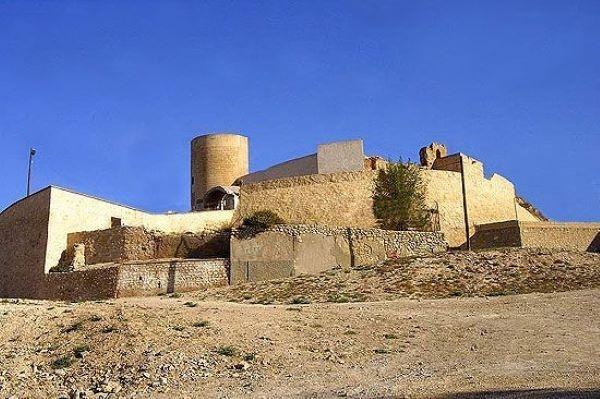
Elda Castle is located on a small hill next to the river and was built between 1172 and 1243. It was used to protect the Arab community and served as a military enclosure; it was in use until the early eighteenth century. It is currently in ruins although some areas have been partially restored and works continue on the restoration process, the castle is closed whilst this work is ongoing.
Petrer - Castillo de Petrer
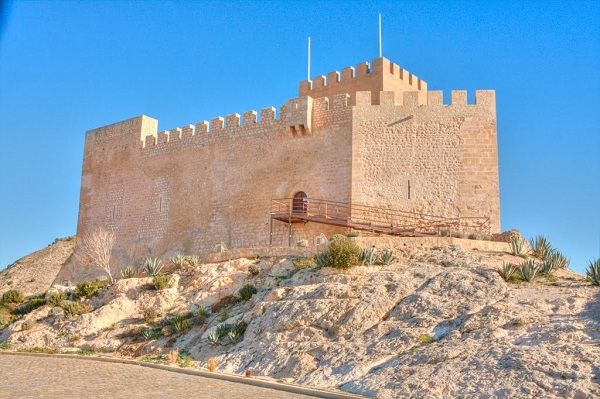
Castillo de Petrer is located at the highest point of the city; it was constructed towards the end of the 12th Century by the Arabs. The heart is a square-plan homage tower, Inside the tower are half-barrel vaults. This castle is in a perfect state of conservation following various restorations that have been carried out over the last 50 years, it is now one of the most impressive castles in the area and has unbeatable views the whole of the Valley of the Vinalopó. Free Guided tours are available.

Costa Blanca Castles the Vinalopo Castle Route
Sax - Castillo de Sax
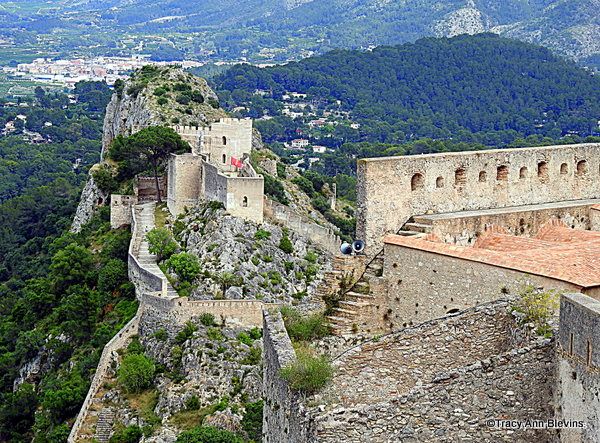
Castillo de Sax stands 524 meters above sea level on a high elongated rock and dominates the surrounding area, the fortress itself is only accessible from the Northwest side. The castle was built around the 14th Century on top of a Almohad castle from the 12th Century.
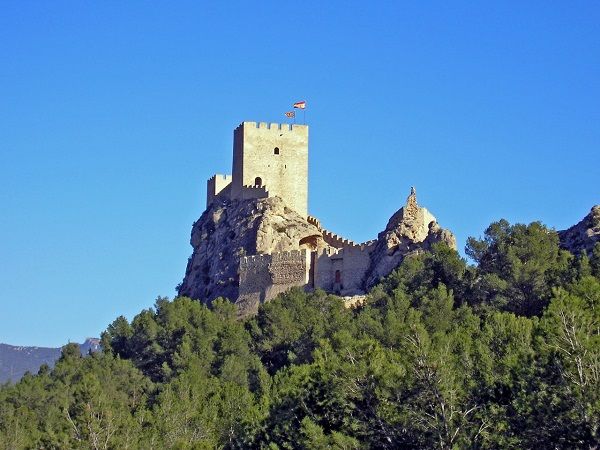
This castle is completely restored and is made up of two towers at each end with walls that are 2 meters thick. Sax castle is accessible every day. You go to the police station for the key and leave your passport or identity card as a deposit.
Villena - Castillo de la Altalaya
This castle is the largest on this route and dates between the 11th and 12th Century, the name means vantage point or Castle of the Watch, the castle sits on top of Mount San Cristobal The castle has a total of 12 turrets along the outer fortress walls.
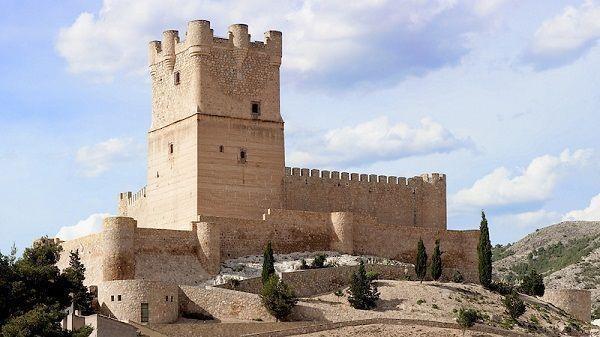
On the inside is the quadrangular main tower, which is 4 storeys high, one of the best things about the tower are the vaults of the first two floors where you will see graffiti on the walls made by prisoners of war.
Due to its great historical value and unique qualities, the castle was declared a "Historical Artistic Monument" in 1931. Restoration and archaeological excavations began in 1958 and continued on and off until 1990.
Entrance fee - Normal price: 3.00€, reduced price: 1,50€ (groups, students, 65+) children under 7: FREE
Opening Hours - Tuesday to Sunday 10:00 to 14:00 guided tours upon reservation at: 10:30, 11:30 and 12:30.
Tuesday to Saturday. Open from 16:00 p.m. to 18:00 p.m. Guided tour upon reservation at 16:30.
Closed: Monday all day and Sunday afternoons and holidays.
Our opinion of Castillo de la Altalaya - This was one of our favourites, easy to find, easy to park, easy to walk round. Although quite renovated in some areas, it still has a lot of charm and the views from various turrets and tower are spectacular. There are plenty of information boards to keep you occupied. Tickets are purchased at the tourist information office just by the car park and its well worth the 3€.
Biar - Castillo de Biar
This wonderful 12th century Muslim castle sits on top of the hill at an altitude of 750 m overlooking the town and was declared a National Monument in 1931. The views from the top are spectacular. It was particularly important during the time of Jaime I, following the Treaty of Almizra (1244) when it became one of the border castles.
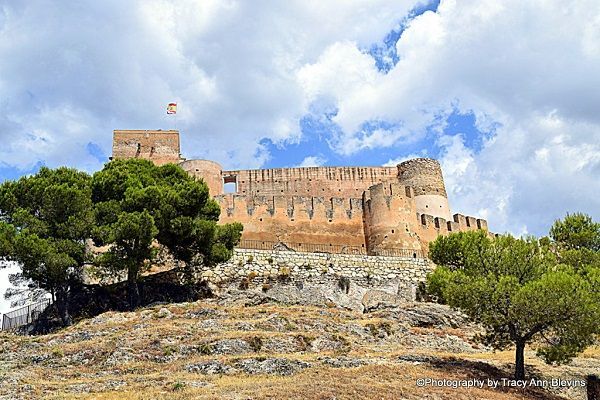
Opening times - from 10:15 - 13:45, entry 1€
Our opinion of Biar Castle - This is one of the most picturesque castles from the outside and the views across the town of Biar and the surrounding countryside are well worth the climb, but sadly it was one of the most disappointing internally, make sure you wear suitable shoes as its very rocky and uneven in most places.
The ticket office is situated just inside The great Master or Homage tower, and for 1€ each its worth a visit.
Car parking is just at the bottom of the castle and easy to find if you follow the street signs, the trip back down is not for the faint hearted as its a one way system through very, very narrow streets, with poor signage and a test for any driver.....
Campo de Mirra - Castillo de Almizra
This Castle is of great historical importance as it was here the interview of the King of Aragon Jaime I and infante Alfonso de Castilla was held on March 26, 1244 which gave rise to the treaty of Almizra which ended the Castilian-Aragonese border contest.
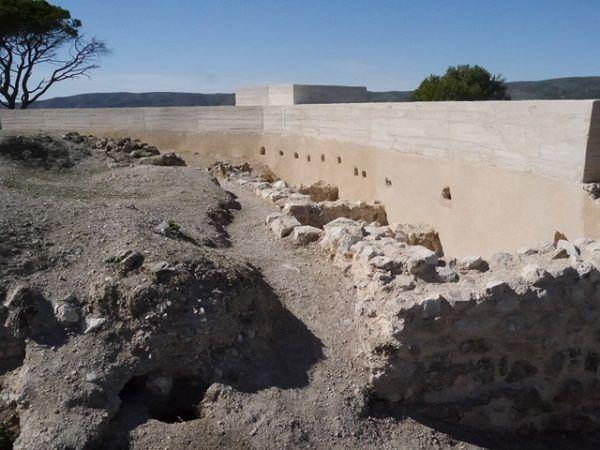
The castle is situated on the hill of San Bartolome, just a few meters from the town centre of Campo de Mirra, it is almost completely in ruins, but Archaeological works have exposed a considerable part of the castle.
Beneixama - Torre Alatalaya de Beneixama
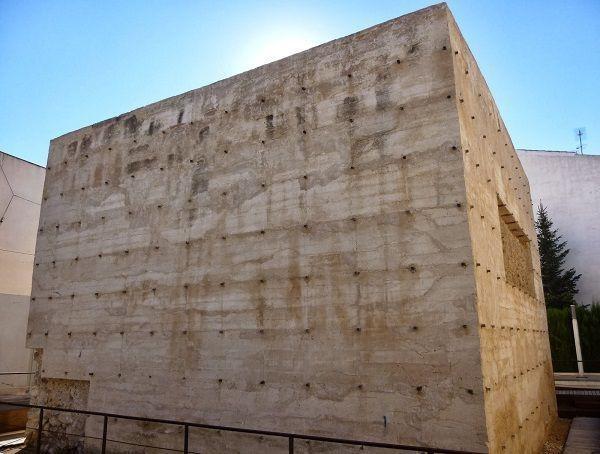
Beneixama Castle is located within the town centre, sadly only a few remains of the primitive walls remain. King James, I settled in the castle for a short time, on his way to the castle of Almizra, for the signing of his famous treaty mentioned above. The most significant ruin is known as the Tower of Beneixama, which can be found close to the Plaza del Ayuntamiento, this has recently been renovated.
Banyeres de Mariola - Castillo de Banyeres de Mariola
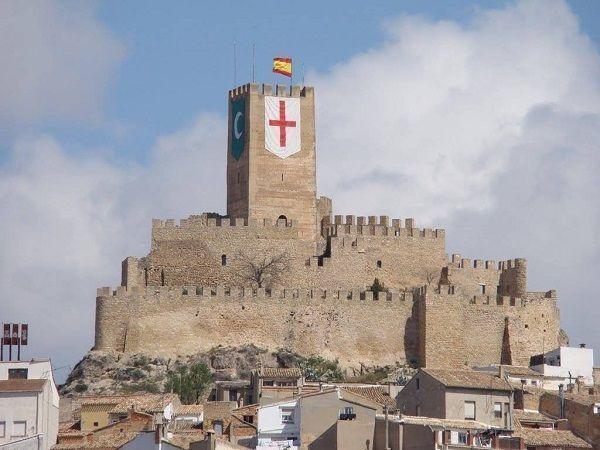
Banyeres Castle is located at an altitude of 830 metres above sea level and it dates back to the 12th/13th centuries. The town itself sits at the highest altitude of any in the province of Alicante.
The castle witnessed several wars, the most prominent was the War of Succession which took place in 1705, when the castle was used as shelter by the local population that were fleeing from sieges and fires in the nearby villages.

Reconstruction of the castle took place in 1803, according to a date on a seating stone found at the access of the large, vaulted room.
The castle you see today is due to restorations that were carried out in the seventies and eighties, Inside the castle we will find the Tower of Homage, Courtyard of Arms, Cistern and the Museo Festero (Festive Museum), although the castle has been completely rebuilt remains of its primitive construction can still be found.
Visiting hours are generally, Saturday, Sunday and public holidays from 11.30 to 14.00 or from 16.30 to 17.00 hours, these hours may vary, entrance fee is 2.50€ for adults or 1.25€ for children and concessions.
Costa Blanca Castles the Vinalopo Castle Route
Castalla - Castillo de Castalla
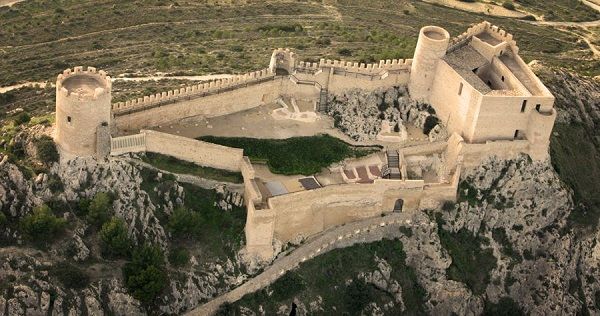
This castle is of Islamic origin built in the 11th century on Neolithic and Iberian-Roman remains, it is located high on the hill 680 metres above sea level overlooking the town of Castalla with amazing views over the surrounding countryside.
The castle is declared an Asset of Cultural Interest in the Monument category and consists of three areas that enable visitors to see how the fortress developed from its Islamic origins in the 11th century, and how it was extensively reformed in the 14th and 15th centuries by the Christians.
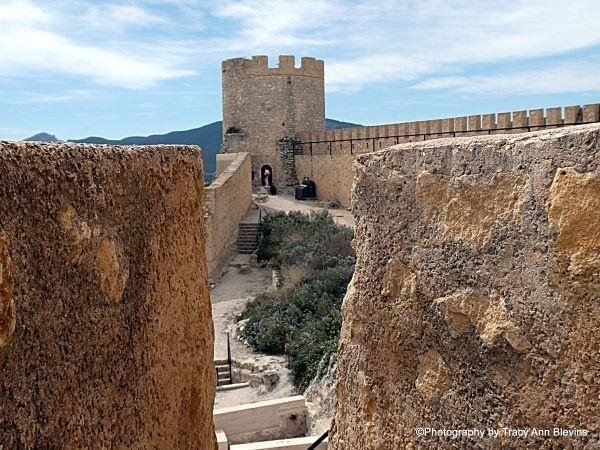
The hilltop site also contains traces of the earliest settlements dating back to 2000 BC. The three areas are: the Palau (palace), accessed by means of an intricate defensive system; the Pati d’Armes (inner courtyard) with its inner curtain walls, rooms and very well-preserved cistern; plus, the Torre Grossa (keep)
Opening Hours
Jan - May, Wednesdays to Sundays 10:00 - 14:00, June, July and August - Wednesdays to Sundays 10:00 - 14:00 and 19:00 - 21:00. September, October, November and December 10:00 - 14:00 Guided tours are available telephone 966 561 018 for more information and times.
Entrance fees are 3€ for adults, 2€ for children and seniors, Free for children up to the age of 7.
Our opinion of Castalla Castle. This was one of our favourites, good mix of old and tasteful renovations, which did not destroy the ambience of the castle. There are many rooms in the palace side to explore if you are brave enough to venture up the very narrow, twisted staircases. The information provided is very good and in English.
The only downside to this castle is parking, unless you get lucky and manage to park just near the tourist information office where there is space for about 3 cars, it can be a very long hike from the town itself, even parking as close as possible it is quite a steep walk to the castle itself.
*All prices and opening times given are a guide and can be subject to changes*.