


Beach Safety and Spanish Warning Flags
Beach Safety and Spanish Warning Flags PLEASE HEED THESE WARNING FLAGS WHILST ON THE BEACH - The average amount of drowning related deaths per year in the Alicante region is 47. DO NOT become a statistic.
Flags are used on Spanish beaches as a way to state sea weather conditions. Most Spanish beaches of a relevant size/attendance display flags which can be either green, indicating safe bathing sea condition, yellow, indicating bathing with caution, or red, indicating bathing is prohibited or very dangerous. The flag is usually displayed alone on a pole. The flag is changed daily and often even more frequently, as weather conditions change. This is normally managed by Red Cross or Civil Protection volunteers.
November 2022 New Safety Flags for Benidorm's Beaches - The ColorADD code is a graphic colour identification system” so that they can be distinguished by people who are colour blind. The diagonal bar with a triangle pointing to the right, represent green; the centre diagonal bar, yellow; and a triangle to the left, red.
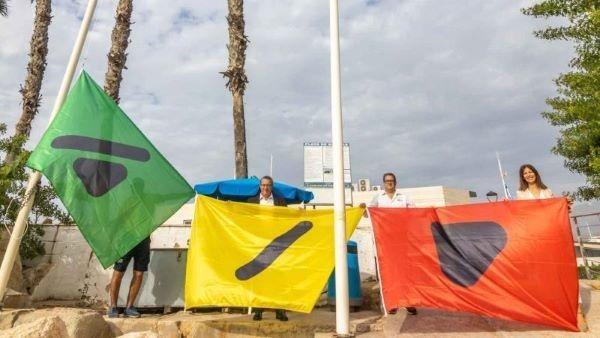
Flags provided by DeBandera.es, an online store that offers a wide variety of high-quality flags. Visit their website at https://debandera.es for more information."
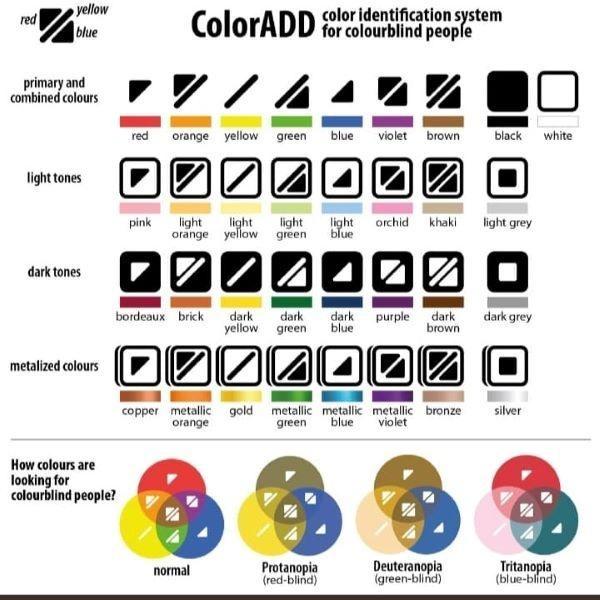
Beach Safety - Standard safety flags.
Green - Safe to bathe

Yellow = Bathe with caution especially with children

Red = NO BATHING _ DANGEROUS CURRENTS OR WEATHER CONDITIONS
Be aware that there is a fine of up to 1,000€ for swimming when the red flag is flying.

YOU MAY ALSO SEE THESE OTHER FLAGS FLOWN AT VARIOUS TIMES
Orange - NO lifeguard on duty, swim with caution

Spanish Beach Safety
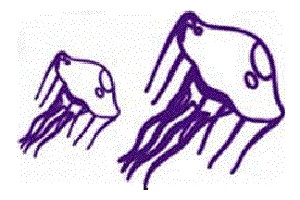
Jellyfish warning flags, these may also be just plain purple and denote dangerous marine life. Find information about Jellyfish HERE

Spanish Beach Safety
BEACH SAFETY TIPS
1. Watch for warning flags (and know what they mean).
Remember how electric devices and the bathtub don’t mix? Neither do lightning and large bodies of water. Check the weather report before heading to the beach. Avoid the beach if there’s lightning in the forecast and wait at least 30 minutes after the last thunder boom before heading back out to the sand. The beach will always be there tomorrow!
3. Learn how to swim
Giving children aged one to four formal swimming lessons can reduce the risk of drowning by as much as 88% If you can’t do the doggie paddle (at the very least), don’t go near the water.
Ocean swimming is different from swimming in a calm pool or lake — be prepared to deal with strong surf before running in. If you’re at the beach with a child or adult who can’t swim, make sure everyone has a well-fitting life jacket handy. If you’re going boating, every passenger should wear a properly-sized life jacket at all times.
Also keep in mind that the ocean floor is not flat and beaches can change drastically from year to year. When heading into the water, be aware that the ocean floor can drop off unexpectedly, so don’t move out quickly without being prepared to swim in water over your head.
Last, but certainly not least, obey the buddy system while swimming. Keep a friend nearby in case either of you ends up needing help (see section on "rip currents" below).

Spanish Beach Safety
4. Pick a spot near a Lifeguard
Lifeguards are there for a reason — they know and can see things about the beach that most beach goers don’t. Take note of where they’re stationed on the beach and stay near them when swimming — most drownings occur at unguarded sites. Also be aware that currents will naturally push you down the shore, so make note of where you started (say, by remembering a stable landmark like the lifeguard’s flag or your brightly-colored umbrella on shore) and which way the current is moving. Return to that spot in the water regularly so you’re never far from a lifeguard.
5. Watch for rip-currents
Waves don’t always break evenly along the shore. And when they don’t — i.e., when they break more strongly in some areas than others — it can cause a circulation in the water that produces a rip current (basically a strong channel of water extending from the shore out into the water). Rip currents also tend to form near a shallow point in the water, such as a sandbar, or close to jetties and piers and can happen at any beach with breaking waves (including the Great Lakes!). They’re the number one hazard for beachgoers and can pull even the strongest swimmers out to sea.
If you see a current of choppy, off-coloured water extending from the shore, steer clear. If you do get pulled out, stay calm, save your energy (let the current carry you for a while), and keep breathing. Don’t try to swim against the current! Gain your composure and start swimming horizontal to the shore until you’re out of the current. Then turn and swim diagonally towards the shore. If you can’t make it to the shore, wave your arms and make noise so someone can see or hear you and get help.

Spanish Beach Safety
6. Know how to identify a swimmer in difficulty
It’s a fact: Drowning is the number one cause of unintentional deaths worldwide, and a person can drown in as little as two inches of water. While we tend to think that swimmers in trouble will be waving their hands and making lo ts of noise, this may not always be the case. In fact, drowning is normally pretty quiet. Watch out for people whose heads are low in the water(mouth submerged) or tilted back with mouth open, eyes closed or unable to focus, legs vertical in the water, or who are trying to swim but not making progress.
7. Be aware of the Waves
They’re much more powerful than you think. A recent study found that injuries resulting from strong waves can range from simple sprains, broken collarbones, and dislocated shoulders to more serious injuries including blunt organ trauma and spinal injuries (which can lead to paralysis). Shorebreaks— or waves that break directly on shore (rather than breaking a few yards out and rolling in more slowly) — in particular have the potential to cause serious neck and spinal injuries.
When in the water or near the water line (where the water hits the shore), never put your back to the waves. Also be sure to check in with the lifeguard before hitting the surf to ask about the wave conditions at your beach.
8. Stay Sober
Alcohol doesn’t only affect judgment; it can also dehydrate you, increasing the likelihood of heat-related sicknesses. Among drowning-related injures of people aged 15 years or older, almost 22% were alcohol-related. We know it’s tempting to enjoy a few Pina Coladas while baking on the beach, but if you’re going to imbibe steer clear of the surf and hydrate properly..
Just one blistering sunburn in childhood or adolescence more than doubles a person’s chance for developing melanoma later in life.Racking up more than five sunburns at any age also doubles the rist for melanoma. Keep the red at bay by slathering on a broad-spectrum sunscreen of SPF 15 or higher, and make sure you have a source of shade — think hats, umbrellas, tents — readily available (especially during the sun’s peak hours of 12am to 4pm). Remember —Eyes can get sunburned too, so don’t forget some shades.
10. Watch out for Heat/sun stroke
A few hours of baking under the sun can cause some seriously uncool symptoms and may even lead to severe sickness. Heat exhaustion, heat stroke, and sun poisoning can all result from dehydration and extended exposure to high temperatures, so make sure to drink plenty of water (and avoid dehydrating liquids like coffee or alcohol).
Symptoms of heat exhaustion, heat stroke, include confusion and dizziness, fatigue, headache, muscle cramps or weakness, nausea, excessive sweating or lack of sweating, pale skin, swelling (particularly of the hands or face), rapid heartbeat, and confusion. Sun poisoning can also be indicated by skin redness and blistering, pain and tingling, or fever and chills.
If you (or someone you’re with) display any of these symptoms, get out of the sun and heat (umbrellas are your friend), remove any unnecessary clothing, drink plenty of water, and take a cool bath or shower. If symptoms are on the severe side — swelling, confusion, painful and blistering sunburns — it’s best to seek medical attention.
11. Ocean Life
Barnacles and the shells of mussels and clams can be very sharp, so watch carefully when walking on rocks and move slowly while walking out into the water. Little crabs also have an affinity for pinching, so proceed carefully over small rocks with nooks and crannies.
Jellyfish are another creature to look out for — many varieties have tentacles that can discharge venom-filled stingers into your skin, causing a sting. These can vary greatly in severity: They usually result only in a painful, red, irritated mark, though some types can cause severe and life-threatening injuries.
Velella Velella Jellyfish
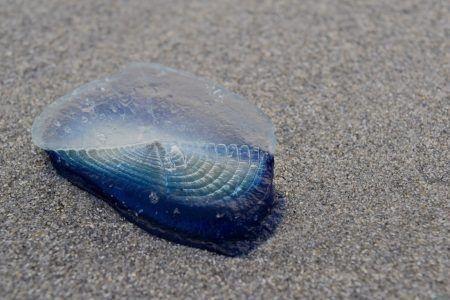
Don´t panic if you see some of these blue jellyfish (velella velella) washed up on Benidorm´s beaches especially during the early summer months.These are NOT dangerous and will produce no reaction if they come into contact with the skin.
Pelagia noctiluca

Known in English as the mauve stinger, commonly found in the Mediterranean sea. These are fairly small jellyfish with adults having a bell diameter of 3–12 cm.
The mauve stingers are not lethal but the sting is very painful and can leave scars.
Treating Jellyfish Stings
Find your nearest lifeguard for advice.
Most jellyfish stings can be treated at home: If any tentacles remain stuck to the skin after exiting the water, remove them using a flat object (like a credit card). Do not rub them off with your hands (you don’t want more stings!) or a towel (which can aggravate the sting even more).
Rinse the sting with seawater (using fresh water may activate singers that have not yet released venom).
Next, deactivate the stingers: Rinsing with vinegar for at least 30 seconds works for some species, while a paste of baking soda and seawater works for sings caused by Portuguese man-of-war and sea nettle jellyfish.
Finally, relieve pain by soaking the sting in hot water for at least 20 minutes. (Note: Despite the folklore, urinating on a jellyfish sting may actually cause the stingers to release more venom, rather than providing relief. Keep your pee to yourself, people.)
Pain can be treated with a heat pack for some pain relief or possibly insect bite creams that lists ‘…ocaine‘ as an ingredient.
If there is continued swelling, or itchiness, apply a light steroid cream e.g. Hydrocortisone eczema cream.
• if muscle spasms persist see a doctor.

12. Wear shoes, the sand gets very hot
We know — feeling the sand between your toes is part of the quintessential beach experience. But when it’s upwards of 100 degrees outside, the squishy sand doesn’t feel so great (and can even cause burns. Be sure to bring a pair of shoes with you in case the sand gets unbearably hot.
13. Keep Hydrated
Extended exposure to heat and the relaxing effects of waves can easily lead to disorientation and reduced energy. Be sure to bring plenty of water and snacks down to the sand with you, and use them.
And finally, remember: The conditions, rules, and intricacies of each beach vary from place to place. Ultimately, the lifeguards on duty should be your go-tos for any questions. They're there to help!
There have, however been a few cases recently where a species of fish called "oblada melanura" (Saddled Seabream) have nipped people. These are the fish that people quite often feed, and they have become used to thinking "people mean food", and may nip at any open wounds and warts etc. In recent days there have been several cases reported along our coastline.
Some other species such as Palometas, Golfar fish and Anjovas are attracted to ornaments and jewels that shine, so take any jewellery off before taking a dip.
Their increased activity has been blamed on the higher than normal sea temperatures this year, which has increased their metabolism and appetite.
If you are bitten/nipped seek out the help of a life guard or go to the nearest first aid point . More ...
Another bather has died in the sea at Guardamar del Segura.
The suspected drowning occurred at aroundFour deaths in three days at Guardamar beaches
Another bather has died in the sea at Guardamar del Segura.
The suspected drowning occurred at around 15.30 yesterday (Saturday) and the victim - a 77-year-old man- is the fourth person to die on the municipality's coast in the last three days.
And a total of nine people have perished in the sea along the Costa Blanca in less than two weeks, with the easterly wind whipping up currents and waves.
Guardamar del Segura town hall had warned on Friday that dangerous conditions for bathing could continue in the coming days.
Costa Blanca News reported yesterday that currents and waves were not deterring bathers from entering the sea during the early part of the day.
The tragedy occurred at Playa de La Roqueta, close to the spot where two people lost their lives on Friday trying to pull bathers in trouble out of a very rough sea.
On Saturday the victim was dragged out of the sea but he had already lost consciousness and when paramedics arrived they were unable to revive him.
There is no lifeguard service on the beaches in the muncipality at the moment.
The easterly wind is set to return on Monday and blow for most of the week, making conditions potentially dangerous at beaches such as Guardamar, La Mata and many others. More ...